
A lot of parents book a holiday and assume it will boost their child’s swimming. More water time should mean more progress, right? Sometimes it does. But I have seen the opposite happen many times. A child who felt steady in weekly lessons suddenly becomes clingy, tense, or unwilling to put their face in. Parents feel confused because nothing “bad” happened. In most cases, the child has simply met a very different pool environment, with different rules, different depth, and different distractions. If you want a structured reference point for what steady progress should look like, it helps to have a consistent programme at home, such as swimming lessons in Leeds that prioritise confidence and calm foundations. You can view a clear example here: swimming lessons in Leeds.
I write as a swimming blogger who has watched children learn across many settings. I have also watched what happens after holidays. The key point is not that holiday pools are “bad”. It is that they are different. These differences can knock confidence if children are still building core skills. The good news is that families can avoid most problems with a simple approach and realistic expectations.
Why holiday pools feel different to children
Adults walk into a new pool and adapt quickly. Children do not. Children are built for routine. A new environment changes how they feel, how they breathe, and how they move. Even a confident child can struggle when the pool feels unfamiliar.
Holiday pools often differ in several ways:
- Depth changes quickly
- The floor can be slippery or uneven
- Lighting is brighter and reflects off water
- Noise levels are higher
- Water temperature may change day to day
- The pool may be crowded
- The rules are often less clear
To a child, this can feel like a completely different sport. If they are still building water confidence, these changes can trigger stress.
A big one is depth and sudden drop offs
Many holiday pools have a shallow area that slopes into deeper water. That slope can be gentle, but it still creates uncertainty. Children like to know where they can stand. When that changes with each step, they may feel unsafe.
Some children respond by staying glued to the edge. Others respond by rushing, splashing, or trying to stay upright with a stiff posture. Those reactions can undermine the calm body position that weekly swimming lessons aim to build.
Even if a child can stand, they may feel unstable on sloped floors. The fear is not always “deep water”. It is the feeling of losing control.
Distractions can undo calm breathing habits
Holiday pools are full of distractions. Music, splashing, toys, inflatables, people jumping in, and busy pool games. Children get excited. Excitement often changes breathing.
When a child gets excited in water, they often:
- Hold their breath
- Splash more
- Lift the head higher
- Forget to exhale in the water
- Rush between movements
These habits can appear harmless, but they can reinforce the very patterns that slow swimming progress. Calm breathing is one of the most important foundations. Holiday play can disrupt it if children spend most of their pool time in high energy mode.
This does not mean children should not play. It means parents should balance play with calm water time.
The water temperature effect is real
Holiday pools can be warmer or colder than your child is used to. Temperature affects confidence.
Cold water increases tension. Tense muscles make floating harder and breathing less calm. Even a child who swims well in warm teaching pools may become stiff in colder water.
Very warm water can also change how children behave. They may tire quicker, feel sleepy, or become irritable. That can make them more likely to refuse skills that require focus, such as breathing practice.
If your child seems “off” in the holiday pool, check temperature first. It can explain a lot.
Goggles and visibility issues create stress fast
Holiday pools often have strong sunlight reflections. Some have cloudy water. Some have bright blue tiles that can strain the eyes. If goggles fog or leak, children can lose confidence quickly.
When children cannot see clearly underwater, they often avoid putting the face in. They lift the head. They hold breath. They become reliant on staying upright. Over time, this can undo progress built in lessons where the child was learning to relax and glide.
Parents can help by keeping goggles comfortable and reliable. If goggles have been an ongoing struggle, holiday pools can amplify the issue because the child feels less in control.
Rules feel different and children notice
In formal swimming lessons, children learn clear routines. Wait your turn. Listen. Move when asked. Keep spacing. Stay calm. Holiday pools rarely have those structures.
Without structure, children may feel unsure what to do. Some children love that freedom. Others become anxious because they do not know the boundaries. They may cling to parents or refuse to move away from the edge.
A child does not always say “I need structure”. They show it through behaviour.
If your child thrives on routine, a holiday pool may feel chaotic. That chaos can undermine confidence.
Over confidence can be a risk too
Some children become over confident on holiday. They see older kids jumping in. They want to copy. Parents feel pressure to allow it.
The problem is that holiday confidence can be social, not skill based. A child may feel brave but still lack:
- Calm breathing
- Floating recovery
- Controlled body position
- Safe entry habits
- Awareness of depth
This is where accidents happen. Not because the child cannot swim at all, but because they overestimate what they can do under pressure.
In my view, the best approach is calm confidence, not boldness. Calm confidence is what structured lessons build.
Why children seem to “regress” after a holiday
Parents often say, “They were doing fine before we went away.” That is common. It is not regression in skill. It is often a confidence wobble caused by a change in environment.
Children adapt through repetition. A holiday pool is not repeated. It is a one off or short burst. Children may struggle to transfer their calm habits into a new setting. They may feel watched. They may feel uncertain. They may feel overstimulated.
Once they return to familiar lessons, confidence often returns quickly. But it helps if parents understand why the wobble happened.
Holiday pools can reinforce the wrong body position
Many children play in holiday pools in an upright posture. They walk, jump, cling to floats, and hold onto inflatables. That is normal holiday play.
But swimming progress often relies on learning a horizontal body position. Floating, gliding, and controlled breathing all sit in that horizontal space. When children spend a week upright, they may return to lessons and struggle to settle into a long body line again.
This is another reason holiday pools can undermine progress. They train the body to do a different job.
The role of parental support in holiday pools
On holiday, parents often do one of two things.
Some parents become over protective. They hold the child tightly. They keep them upright. The child never gets a chance to float or explore safely. This reinforces dependence.
Other parents become too relaxed. They allow too much risk, assume lifeguards will handle it, or encourage jumping in before the child is ready. This can trigger fear if the child panics.
The best approach sits between the two. Calm, close support that allows the child to build independence without pressure.
How to make holiday pool time support progress
The aim is not to turn your holiday into extra swimming lessons. Children need fun. But you can support progress with small choices.
One simple method is to build short “calm minutes” into each pool visit. These are minutes where the goal is not play, but confidence and control.
A calm minute can include:
- Gentle bubble blowing
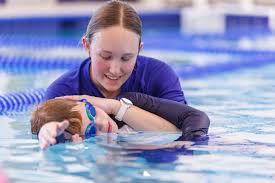
- A relaxed float with support
- A short push and glide
- A calm breath reset at the pool edge
- A slow front glide with face in
Keep it light. Keep it brief. Stop before the child gets tired or frustrated. This helps the child keep their lesson habits alive while still enjoying the holiday.
Middle link and why consistent home lessons matter
Holiday pools are temporary. Weekly lessons at home are what build lasting skills. If you want a steady base that helps your child handle different pools without losing confidence, look for structured teaching that prioritises calm breathing, floating, and safe recovery. A strong example of this approach can be found through a well organised programme of swimming lessons near me, where the focus stays on foundations and steady progression.
This consistent base makes holidays easier because your child has a reliable skill set to fall back on, even when the environment changes.
Pool inflatables can create false security
Inflatables are fun, but they can confuse skill development. When a child spends lots of time on an inflatable, they may:
- Avoid floating without support
- Avoid face immersion
- Depend on upright posture
- Lose awareness of where their body is in water
Some children also panic when they slip off. That panic can create a fear link to the holiday pool, even if nothing serious happened.
If your child uses inflatables, treat them as a fun extra, not the main way they spend time in the water. Balance them with short calm water time.
Waves, jets, and water features change everything
Many hotel pools have jets, fountains, or wave effects. These features change water movement. They can surprise children and trigger a stress response.
Children who are still learning to breathe calmly can struggle if water suddenly hits the face. They may swallow water and then refuse to put their face in again for the rest of the trip.
If your child is sensitive, keep early holiday swims in calmer sections of the pool. Introduce features slowly. Let the child watch first. Then try a short step, then step away. Small exposure beats forced exposure.
The crowd factor and how it affects learning
Busy pools can be stressful. Children have less space. They may get bumped. They may get splashed in the face without warning. They may hear shouting. They may see risky behaviour from older children.
Crowds increase uncertainty, and uncertainty increases tension. If your child is still building confidence, crowded sessions can undo calm habits.
If possible, choose quieter times. Early morning swims often work well. Short sessions also help. Leaving while the child still feels calm is better than staying until they melt down.
Why the return home feels harder than expected
After a holiday, children may return to lessons tired, out of routine, or distracted. They may also carry a small fear from a holiday pool moment, such as swallowing water, slipping, or being splashed unexpectedly.
This can show up as:
- Resistance to going to lessons
- Reduced face immersion
- More wall clinging
- More head lifting
- More breath holding
The best response is calm and patient. Avoid comments like “but you swam loads on holiday.” That can feel like pressure. Instead, treat it as normal re settling. A few steady sessions usually bring progress back.
What parents should say after holiday swimming
Children often need reassurance, not critique. Keep it simple.
Focus on:
- “You stayed safe.”
- “You tried new things.”
- “You can go at your pace.”
Avoid:
- “You should be better now.”
- “You did it last week.”
- “Stop being silly.”
Language matters. It shapes how children feel about their own progress.
A calm recommendation for families who want steady progress
The best way to stop holiday pools undermining progress is to build a strong base at home. That base should include calm breathing, floating confidence, and structured skill progression. If you want a well organised pathway, you can review a structured set of swimming lessons and see how the programme supports confidence first and steady improvement over time.
A strong programme does not promise instant results. It builds real skill. That is what helps children cope with different pools, different depths, and different distractions.
Why holidays can still be a positive part of learning
It is worth saying this clearly. Holidays can help. More water exposure can boost confidence. Children can practise without the pressure of lesson goals. They can build positive memories.
The key is balance. Fun plus a little calm skill time. New experiences, but with safe boundaries. Plenty of rest. Consistent routines where possible.
When parents approach holiday pool time this way, progress often continues rather than wobbling.
Keeping swimming progress steady through the year
Swimming is built over months, not days. Holiday pools can be a bump in the road, but they do not need to be. With a consistent home programme, a calm approach to holiday swimming, and realistic expectations, children usually return to lessons ready to continue.
If your child seems unsettled after a holiday, treat it as normal. Rebuild routine. Focus on confidence. Let the instructor guide the pace. Most children settle again quickly once the environment feels familiar.
Holiday pools can undermine progress when they create stress, reinforce unhelpful habits, or disrupt routine. They can also support progress when families balance fun with calm water confidence. That balance is the key.