

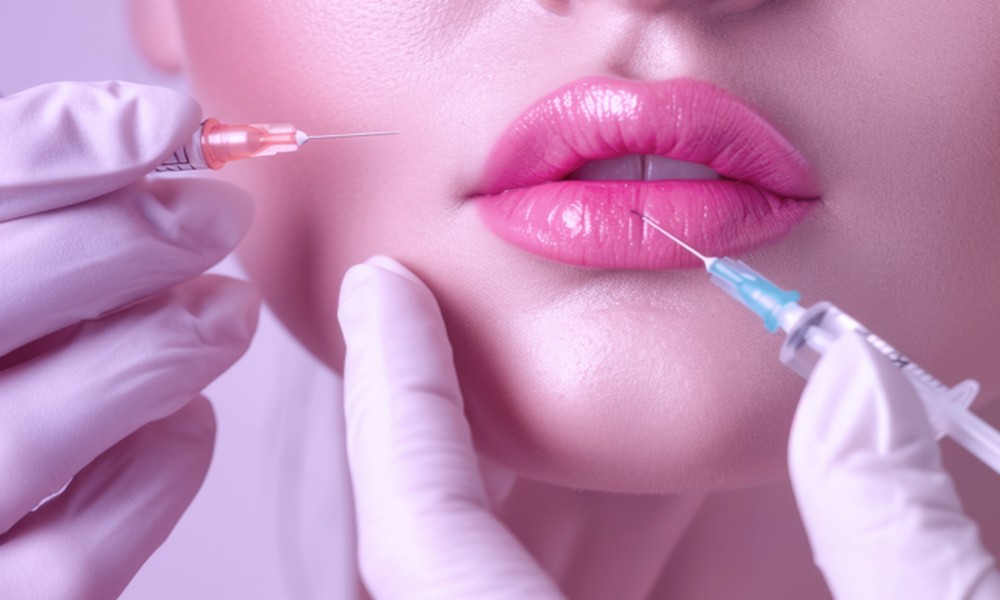
Confidence in aesthetic medicine develops through a blend of knowledge, precision, and consistent practice. Medical aesthetic injectables training provides structured exposure to techniques that refine both clinical ability and decision-making. Each session strengthens a practitioner’s understanding of facial anatomy and patient expectations, which builds a solid professional foundation.
Structured learning environments play a crucial role in shaping reliable outcomes. An ongoing medical aesthetic injectables training ensures that practitioners stay aligned with updated methods and changing safety standards. Regular skill enhancement fosters a sense of assurance that translates directly into patient trust and satisfaction.
Mastery of Facial Anatomy and Injection Techniques
A deep understanding of facial anatomy forms the backbone of safe and effective injectable treatments. Training programs break down complex anatomical structures into practical, applicable knowledge that guides every injection. This clarity reduces uncertainty and allows practitioners to approach procedures with steady confidence. Precision improves through repeated exposure to advanced injection techniques. Hands-on sessions provide opportunities to refine depth control, product placement, and symmetry.
As technique becomes more intuitive, practitioners develop a consistent approach that supports predictable, high-quality results. A detailed study of vascular pathways further enhances awareness, which helps practitioners avoid critical areas during treatment. Strong anatomical insight also supports better judgment in adapting techniques for diverse facial features and treatment goals.
Patient Assessment and Consultation Skills
Successful outcomes depend on accurate patient evaluation and clear communication. Training emphasizes how to assess facial proportions, skin quality, and individual goals before recommending treatment plans. This structured approach builds confidence during consultations and enhances professional credibility.
Strong communication skills create a positive patient experience from the very first interaction. Practitioners learn how to set realistic expectations, explain procedures clearly, and address concerns with clarity. Trust grows when patients feel understood, which strengthens the practitioner’s confidence in delivering care.
Safety Protocols and Risk Management
- Clear understanding of hygiene standards and sterile techniques.
- Recognition of contraindications and patient suitability.
- Knowledge of complication prevention and early intervention.
- Confidence in handling adverse reactions with calm decision-making.
Safety remains a central focus throughout training, which reinforces responsible practice habits. Exposure to real-life scenarios prepares practitioners to respond effectively under pressure. This preparedness reduces hesitation and supports a composed, professional approach during procedures.
Product Knowledge and Customization Strategies
- Familiarity with different injectable products and their properties.
- Insight into choosing the right product for specific treatment areas.
- Techniques for tailoring treatments to individual facial structures.
- Understanding of dosage control for balanced, natural-looking outcomes.
Comprehensive product knowledge enhances treatment precision and personalization. Training introduces practitioners to various formulations, which helps them select suitable options for each case. This expertise leads to confident decision-making and results that align with patient expectations.
One Can Build Professional Confidence Through Practice and Feedback
Consistent practice plays a vital role in transforming theoretical knowledge into practical expertise. Training environments encourage repetition under supervision, which allows practitioners to refine their skills without pressure. Thus, each successful procedure reinforces a sense of competence and control.
Constructive feedback accelerates professional growth by highlighting strengths and areas for improvement. Guidance from experienced trainers helps practitioners adjust techniques and build confidence step by step. Continued participation in an ongoing medical aesthetic injectables training strengthens this progression, ensuring skills remain sharp and reliable.
So, professional confidence in aesthetic medicine grows through structured learning, practical experience, and continuous refinement. Training equips practitioners with the skills needed to deliver safe and effective treatments. Consistent development thus fosters trust, precision, and long-term success in clinical practice.
