

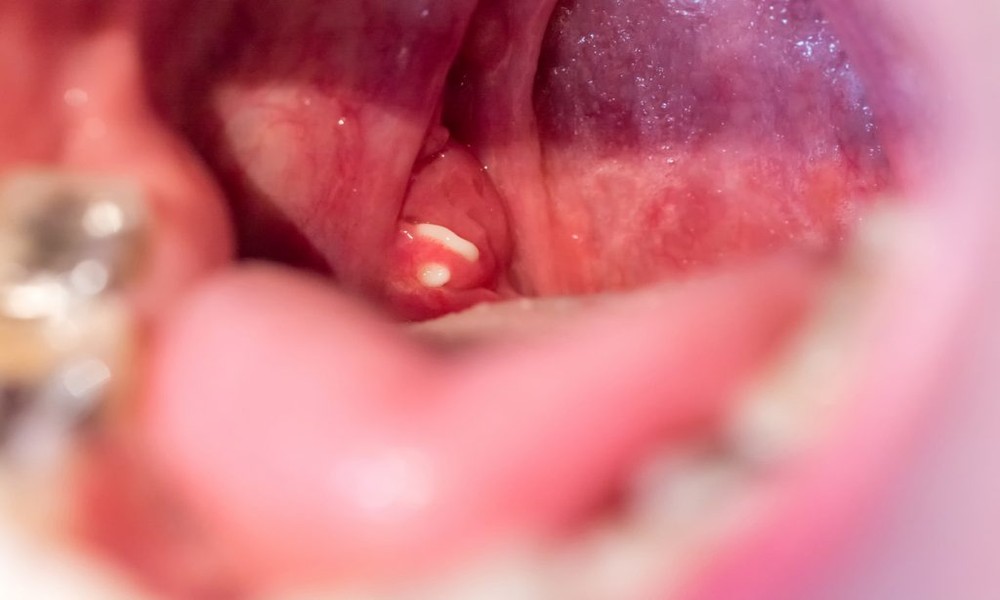
Throat discomfort can raise questions about treatments that support better long-term oral health outcomes. You might hear different procedure names yet remain unsure about their distinct purposes and benefits. Two popular options, Tonsil Cryptolysis and Tonsillectomy, address tonsil concerns, though each follows a unique treatment approach.
The topic of tonsil cryptolysis vs tonsillectomy frequently arises when treatment options become necessary. A clear understanding of these approaches can make conversations with your healthcare provider more productive and help shape realistic treatment expectations. This article explains important facts about both procedures and highlights their primary distinctions.
Tonsil Cryptolysis
1. Preserves Most Of The Natural Throat Tissue
Tonsil cryptolysis focuses on the crypts within the tonsils rather than the entire tissue itself. Laser technology reshapes these pockets and creates a smoother surface where debris has less opportunity to collect. Most of the healthy lymphatic tissue remains in place after treatment. This feature appeals to patients who prefer a targeted approach for specific concerns.
2. Addresses Stones At Their Source
Stone formation develops when material settles inside deep crypts and becomes trapped over time. Tonsil cryptolysis reduces the depth of these spaces, which helps limit future accumulation. A smoother tissue surface can contribute to better oral health and improved comfort. Many patients appreciate that the procedure focuses directly on the area linked to stone formation.
3. Uses Precision Laser Technology For Targeted Treatment
Laser technology allows an ENT specialist to focus on selected sections of the tonsil with exceptional accuracy. The procedure concentrates on the crypts that require attention rather than the entire structure. This customized approach supports treatment plans based on individual anatomy and symptoms.
4. Helps Create A Smoother Surface
Deep tonsil crypts can create uneven areas where debris may settle and remain unnoticed. Tonsil cryptolysis smooths these recessed spaces, resulting in a more uniform surface. This structural change supports improved cleanliness within the back of the throat and reduces places where material may collect.
Tonsillectomy
1. Removes The Entire Lymphatic Tissue
A tonsillectomy differs from cryptolysis because it addresses the complete tonsil rather than selected areas. The procedure removes the tissue responsible for ongoing throat concerns when broader treatment becomes appropriate. This comprehensive method provides a different scope of care compared with crypt-focused treatment.
2. Suitable For Enlarged Tonsils And Recurring Issues
Some individuals experience enlarged tonsils that affect breathing, sleep quality, or general throat comfort. Others face repeated concerns that continue despite previous management efforts. In these situations, tonsillectomy may provide a comprehensive solution tailored to those circumstances. Treatment recommendations depend on examination findings and the patient’s overall health profile.
3. Offers A Comprehensive Long-Term Treatment Approach
One of the most important distinctions involves the extent of tissue addressed during treatment. Tonsillectomy treats the tonsils as a whole, unlike cryptolysis, which focuses on specific pockets. This broader approach allows ENT specialists to manage a wider range of throat concerns. Patients benefit from a treatment plan selected according to their symptoms and long-term goals.
4. Addresses Multiple Throat Issues With One Procedure
Tonsillectomy can serve patients whose symptoms involve more than a single issue. The procedure addresses the entire throat tissue, which allows ENT specialists to evaluate concerns from a broader perspective. This comprehensive scope makes it suitable for individuals with complex or persistent conditions. Many patients appreciate a treatment option that aligns with wider health and comfort goals.
The discussion around tonsil cryptolysis vs tonsillectomy centers on treatment goals, throat conditions, and patient needs. Each procedure serves a distinct purpose and offers a valuable option for specific issues. Speak with an ENT specialist and choose the right approach confidently.
