

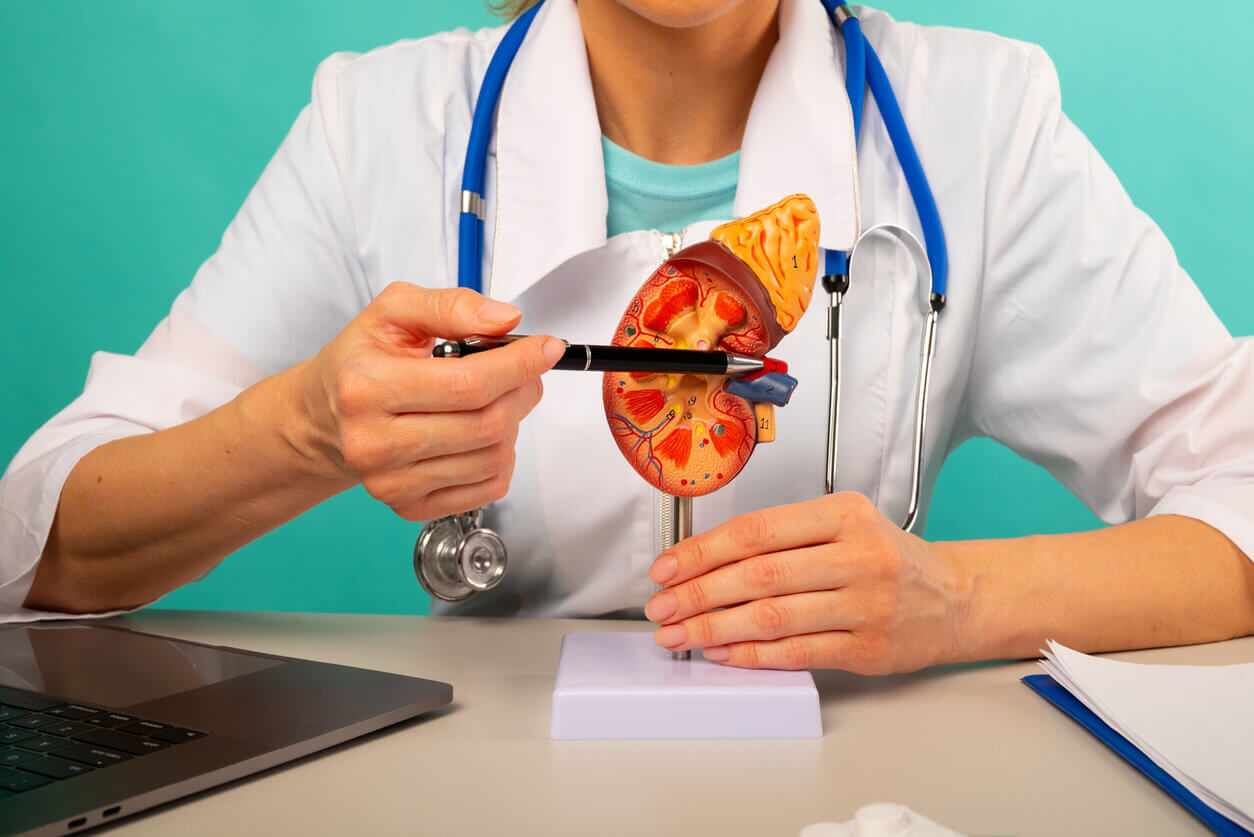
If you’ve ever had a kidney stone, you don’t need anyone to tell you how painful it can be. And if you haven’t, you’ve probably heard enough stories to dread the possibility. Kidney stones are one of the most common urological conditions, affecting roughly 1 in 10 people at some point in their lives, and the incidence has been rising steadily over the past two decades. At Lazare Urology in Brooklyn, Dr. Jon Lazare treats kidney stones at every stage, from acute episodes that bring patients in through the emergency room to planned procedures for larger stones that won’t pass on their own. Understanding the symptoms, knowing when you can manage a stone at home versus when you need intervention, and learning what you can do to prevent them from coming back gives you a real advantage in dealing with this condition.
Recognizing the Symptoms
Kidney stones form when minerals and salts in the urine crystallize and clump together. They can sit in the kidney for weeks or months without causing any symptoms at all. The trouble starts when a stone moves out of the kidney and into the ureter, the narrow tube connecting the kidney to the bladder. That’s when the pain hits.
The hallmark symptom is sudden, severe pain in the flank or lower back, usually on one side. It often radiates around to the lower abdomen or groin and comes in waves as the ureter spasms around the stone. Many people describe it as the worst pain they’ve ever experienced. Nausea and vomiting frequently accompany the pain, and some patients break into a cold sweat.
Other symptoms include blood in the urine (which may appear pink, red, or brown), a persistent urge to urinate, burning during urination, and urinating in small amounts. If the stone is causing a blockage that leads to infection, you may develop fever and chills. That scenario requires immediate medical attention because an infected, obstructed kidney can become a surgical emergency.
Not every stone produces dramatic symptoms. Smaller stones sometimes cause a dull ache or intermittent discomfort that patients dismiss as a muscle strain or digestive issue. If you’re experiencing unexplained back or flank pain that doesn’t resolve within a day or two, it’s worth having it evaluated.
Passing a Stone Naturally vs. Needing Treatment
The size and location of the stone determine whether you can pass it at home or need a procedure.
Stones smaller than 5 millimeters have about an 80% chance of passing on their own within a few weeks. The primary strategy is hydration: drinking two to three liters of water daily helps flush the stone through the ureter and into the bladder. Dr. Lazare may prescribe an alpha-blocker like tamsulosin, which relaxes the smooth muscle in the ureter and widens the passage, improving the odds and speed of spontaneous passage. Pain management with NSAIDs or, for severe episodes, stronger medications keeps you functional while you wait.
Stones between 5 and 10 millimeters are less predictable. Some will pass, some won’t, and the decision to intervene depends on the patient’s symptoms, how long the stone has been present, and whether it’s causing complications like hydronephrosis (swelling of the kidney from backed-up urine). Dr. Lazare monitors these cases with periodic imaging and makes a recommendation based on how the stone is progressing.
Stones larger than 10 millimeters almost never pass on their own and typically require procedural intervention.
Treatment Options for Stones That Won’t Pass
When a stone is too large, too stubborn, or causing complications, several treatment options are available at Lazare Urology.
Ureteroscopy with Laser Lithotripsy
This is the most commonly performed procedure for stones lodged in the ureter or lower kidney. A thin, flexible scope is passed through the urethra and bladder into the ureter, allowing the surgeon to visualize the stone directly. A laser fiber is then threaded through the scope and used to fragment the stone into tiny pieces that can be extracted with a small basket or are small enough to pass naturally.
The procedure is performed under general anesthesia or sedation and takes roughly 30 to 60 minutes depending on the stone’s size and location. A temporary ureteral stent, a thin flexible tube running from the kidney to the bladder, is often placed afterward to keep the ureter open while swelling subsides. The stent is removed in the office a few days to a week later.
Recovery is quick. Most patients return to normal activity within two to three days, though mild discomfort from the stent is common until it’s removed.
Extracorporeal Shock Wave Lithotripsy (ESWL)
ESWL uses focused sound waves generated outside the body to break kidney stones into smaller fragments that can then pass through the urinary tract. It’s non-invasive and doesn’t require any instruments to be inserted into the body, which makes it appealing to many patients.
ESWL works best for stones in the kidney (rather than the ureter) that are smaller than 2 centimeters and aren’t extremely hard in composition. It’s less effective for very dense stones, such as those made of calcium oxalate monohydrate or cystine. Dr. Lazare can assess stone composition based on CT imaging density and recommend whether ESWL is a good option for your particular stone.
Percutaneous Nephrolithotomy (PCNL)
For very large stones, staghorn calculi (stones that fill the entire collecting system of the kidney), or stones that have failed other treatments, PCNL may be necessary. This involves making a small incision in the back and inserting a scope directly into the kidney to break up and remove the stone. It’s a more involved procedure with a longer recovery, typically requiring a hospital stay, but it achieves stone-free rates that other methods can’t match for large or complex stones.
Dietary Changes That Reduce Your Risk
About half of people who have a kidney stone will develop another one within five to ten years if they don’t make changes. Prevention is largely about what you eat and drink.
Water is the single most effective preventive measure. Aiming for a urine output of at least 2.5 liters per day (which generally requires drinking about 3 liters of fluid) keeps the urine dilute enough that minerals are less likely to crystallize. If your urine is consistently pale yellow to clear, you’re in the right range.
Sodium intake has a direct relationship to stone formation. High sodium consumption increases calcium excretion in the urine, which promotes calcium-based stones, the most common type. Reducing processed food, canned soups, deli meats, and restaurant meals can make a measurable difference.
Dietary calcium, counterintuitively, is protective rather than harmful. Calcium from food binds to oxalate in the digestive tract and prevents it from being absorbed into the bloodstream and excreted through the kidneys. Cutting dairy or other calcium-rich foods actually increases stone risk. Calcium supplements, on the other hand, should be taken with meals rather than on an empty stomach to get the same binding effect.
Oxalate-rich foods like spinach, rhubarb, beets, nuts, and chocolate can contribute to calcium oxalate stones when consumed in large quantities. You don’t need to eliminate them entirely, but moderating intake makes sense if you’ve already had an oxalate stone.
Animal protein from red meat, poultry, and seafood increases uric acid production and lowers urinary citrate, both of which promote stone formation. Reducing portion sizes and incorporating more plant-based protein sources helps on both fronts.
Dr. Lazare can order a 24-hour urine collection after your stone episode to identify the specific metabolic factors driving your stone formation. This test provides a personalized prevention plan rather than generic dietary advice.
When to See a Urologist at Lazare Urology
If you’re experiencing symptoms that suggest a kidney stone, or if you’ve been to the emergency room and were told you have a stone, the next step is a urology consultation. Dr. Lazare will review your imaging, assess the stone’s size and location, and recommend the best course of action, whether that’s watchful waiting with medical management or scheduling a procedure.
Contact Lazare Urology at (718) 568-7516 to schedule an appointment. Kidney stones don’t improve by being ignored, and the sooner they’re evaluated, the more options you have for treating them effectively and preventing the next one.
