

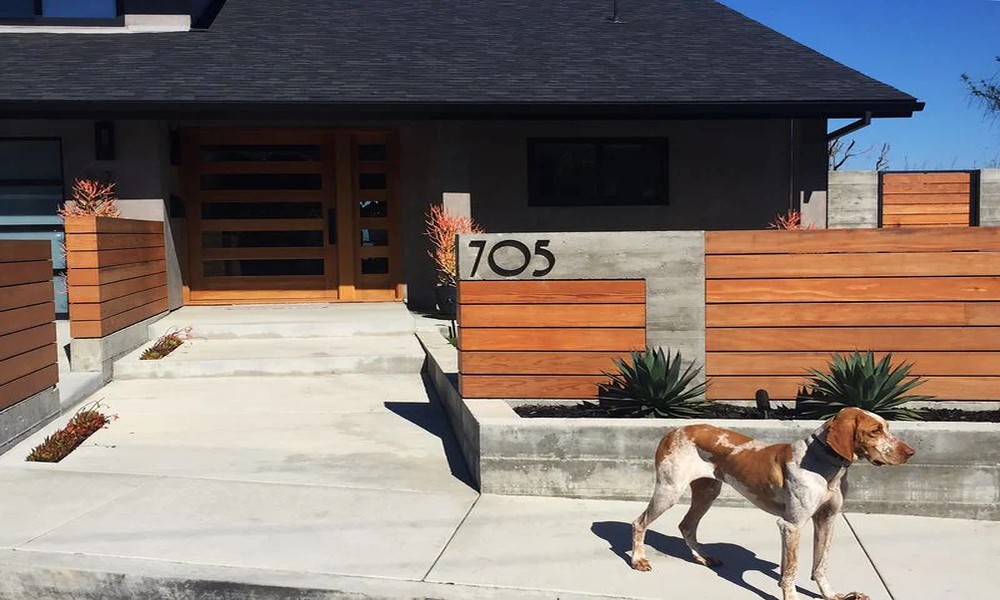
A front door can tell a story, but it’s the house number that quietly sets the scene. In cities like Laval, where centuries of architectural styles collide on every block, address numbers have evolved far beyond utility. Their design mirrors the face of the home, echoing the shapes, materials, and moods of changing eras.
Origins of House Number Designs in Architecture
Before houses had numbers, finding an address was a challenge. Early civic leaders focused on function: simple painted digits, big enough to spot from a carriage or the first car. The earliest house numbers prioritized visibility, using bold contrast and unfussy fonts that could withstand the weather.
As European influences swept through North America, house numbers began to borrow flair from the buildings themselves. Stone townhouses in Montréal and Laval, often boasting French Second Empire mansard roofs, inspired address plaques with ornate borders and flowing numerals. Where English or American Victorian homes preferred cast iron or elaborate ceramic tiles, the numbers became miniature works of art, often nestled into arches or integrated with intricate trim.
Equally important was the material. Carved stone numerals signaled permanence on grand facades, while hand-painted wood suited humble cottages. Brass and bronze soon joined the mix, chosen for both their luster and longevity.
How Architectural Movements Shaped House Number Aesthetics
Every architectural movement left its imprint on house number design. The Victorians, enamored with ornament, often chose plaque shapes and fonts that echoed gingerbread trim or window mullions. European Second Empire styles favored plaques that matched their stately symmetry.
The tide turned with Modernism. Suddenly, the house number became a statement of restraint. Clean sans-serif fonts replaced curly scripts, and metal numbers stood alone on stucco or concrete. Minimalism wasn’t just a trend, it was a declaration that form should follow function. The architecture of Laval tells this story: a split-level from the 1970s displays brushed aluminum digits, while a 19th-century duplex might boast a hand-engraved slate plaque.
But perhaps nowhere is the influence of regional blending clearer than in Laval. Here, French-inspired stonework sits beside Western boomtown facades and contemporary boxes clad in glass or composite panels. This diversity begs for house numbers that both stand out and fit in.
Integration of House Numbers with Facade Materials and Styles
Choosing a house number isn’t just about picking a font. The material and finish must align with the building’s architecture. Brick and stone require hardware and finishes that complement their textures, matte black for drama, natural brass for warmth, or crisp stainless steel for a modern edge.
Contemporary cladding offers even more possibilities. Acrylic, aluminum, and even illuminated options can be tailored to blend with composite siding or metal panels. Placement also matters. Numbers must be visible from the curb but should not disrupt the visual balance of the façade. Proportion is everything: too small and they vanish, too large and they overwhelm.
Advances in Customization and Technology
Today, homeowners expect more from their address numbers. Painted numerals have given way to engraved plaques, 3D letters, and custom shapes that match the building’s personality. Modern fabricators use materials like slate, bronze, or acrylic to create pieces that withstand years of harsh weather.
Technology has made a real impact, particularly in cities with challenging winters like Laval. Illuminated and halo-lit numbers now improve night visibility without sacrificing style, ensuring your home is easy to find even in the darkest months.
Designing House Numbers for Multi-unit and Commercial Properties
Multi-unit dwellings and businesses introduce new demands: clarity, coordination, and branding. Coordinated directories, matching wayfinding signage, and entrance markers help people navigate with ease and reinforce a sense of identity for the property.
For commercial spaces, signs do double duty. They ensure clients find the right door, but they also deliver a crucial first impression. The right plaque, designed to align with a brand’s color palette or logo, can make a business feel established and trustworthy from the sidewalk.
The Future of House Number Design: Trends and Innovations
What comes next for house numbers? Smart address plaques with built-in lighting and sensor-triggered displays are starting to emerge. Interest in sustainable materials is rising, with homeowners opting for recycled metals or FSC-certified woods. Personalization is also key. Instead of generic numbers, more people want designs that speak to their identity, from font choices to creative layouts.
Practical Guide to Choosing the Right House Numbers for Your Home
With so many options, making a choice can feel overwhelming. Start by assessing your home’s architectural style and the materials on your facade. Match finishes thoughtfully: black metal looks sharp against brick, while natural metals work with stone.
Check your sightlines: from the curb, the number should be legible without dominating the house. Finally, partner with a custom fabricator who understands both design and installation on different surfaces. If you’re in Laval or the Montreal area, resources like Orthografica Laval can provide tailored guidance, taking your inspiration, photos, and technical needs, and turning them into address numbers that feel right at home.
Case Studies from Laval: Blending Tradition with Modern Design
A Victorian semi on a tree-lined Laval street might feature a hand-engraved bronze plaque, echoing its heritage charm, while a newly built townhouse opts for minimalist individual digits in brushed steel. In mixed-use neighborhoods, coordinated directories help residents and visitors alike, showing how thoughtful design brings order to even the most eclectic streetscape.
From the quiet streets of Sainte-Dorothée to the busy commercial corridors of Chomedey, house numbers in Laval do more than identify, they express the city’s layered architectural character, bridging the past and future in a handful of digits.
