

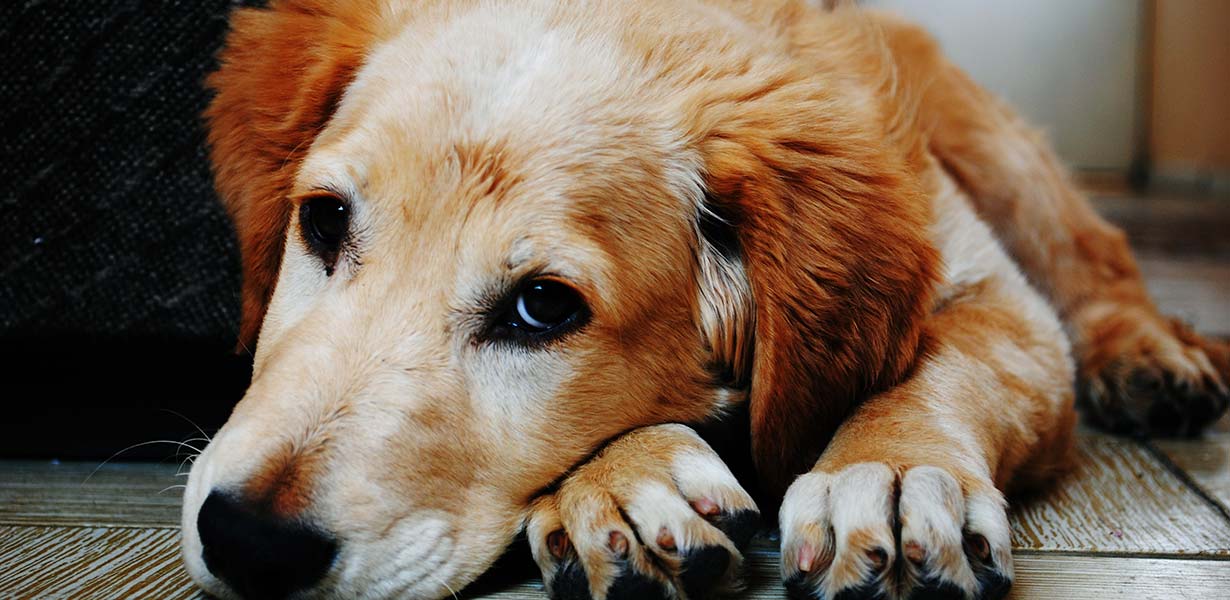
The shift happens gradually. Your dog takes a little longer to stand up after a nap. Your cat stops jumping onto the bed and starts sleeping on the floor instead. The water bowl empties faster than it used to, or slower. None of it looks like a crisis. Most of the time, pet owners attribute these changes to normal aging, and sometimes that’s accurate. But at Douglas Animal Hospital, we see a consistent pattern: by the time an owner brings in a senior pet because something finally seems “off enough,” the underlying condition has often been developing for months.
That gap between when a problem starts and when it gets noticed is where the most treatment options are lost. Knowing what to watch for can close it.
When Does a Pet Become “Senior”?
The answer depends on species and size more than most people expect. Cats are generally considered senior around age 11, with the “geriatric” label applying around 15. Dogs vary more widely. A Chihuahua at seven is middle-aged at best, while a Bernese Mountain Dog at the same age is firmly in senior territory. Large and giant breed dogs age faster internally than small breeds, which means their screening timelines should start earlier.
A useful rule of thumb: if your dog weighs over 50 pounds, senior care discussions should begin around age six or seven. Under 50 pounds, age eight or nine is more typical. For cats, the conversation usually starts around ten. These aren’t hard cutoffs. They’re the point at which the probability of age-related disease increases enough to justify more frequent monitoring.
Weight Changes That Don’t Have an Obvious Explanation
Weight loss in a senior pet is one of the most common reasons for a veterinary visit, but it’s also one of the most commonly missed in its early stages. A cat that drops from 12 pounds to 10.5 over the course of a year doesn’t look dramatically different day to day. You might not notice until you pick them up and they feel lighter, or until a groomer or vet mentions it.
Gradual weight loss in older cats frequently points to hyperthyroidism, kidney disease, diabetes, or intestinal conditions that reduce nutrient absorption. In dogs, similar losses can signal kidney or liver disease, cancer, or chronic gastrointestinal issues. The cause matters, because treatment differs significantly depending on what’s driving it.
Weight gain is the other side. An older dog putting on pounds despite no change in food intake could be dealing with hypothyroidism, Cushing’s disease, or simply decreased activity due to joint pain that hasn’t been identified yet. The weight gain itself then worsens the joint pain, and the cycle accelerates.
Tracking your pet’s weight at home between vet visits is one of the most useful things you can do. A kitchen scale works fine for cats and small dogs. For larger dogs, weigh yourself on a bathroom scale, then weigh yourself holding the dog, and subtract. Even rough tracking catches trends that daily observation misses.
Drinking, Eating, and Bathroom Habits
Changes in water intake are among the earliest clinical signs of several common senior pet diseases, and they’re easy to overlook if you’re not paying attention.
Increased thirst (polydipsia) and increased urination (polyuria) are hallmark signs of kidney disease, diabetes, and Cushing’s disease in both dogs and cats. If you’re filling the water bowl more often than you used to, or your cat is suddenly visiting the litter box three or four times a day instead of twice, that’s worth mentioning to your vet. Cats that start urinating outside the litter box may be dealing with a urinary tract issue, kidney decline, or cognitive changes, not a behavioral problem.
Appetite shifts matter too. A senior dog that gradually becomes pickier about food might be experiencing nausea from kidney disease, oral pain from dental disease, or gastrointestinal discomfort. Cats that eat eagerly but continue to lose weight are classic hyperthyroid candidates. These patterns don’t always point to the same diagnosis, but they consistently point to something that deserves investigation.
Mobility and Pain Are Harder to Read Than You Think
Arthritis affects a significant majority of senior dogs and an estimated 90 percent of cats over age 12, according to research published in veterinary orthopedic literature. Yet it remains underdiagnosed, especially in cats, because the signs don’t look the way people expect pain to look.
Dogs with joint pain may hesitate before going up stairs, lag behind on walks, or have trouble getting into the car. Some develop a bunny-hopping gait on their hind legs. Others simply seem “slowed down” in ways that look like aging rather than discomfort.
Cats are even subtler. A cat with hip or elbow arthritis may stop grooming its lower back (leading to a matted or greasy coat in that area), avoid jumping to high surfaces, or become less playful without any vocalization or obvious limping. Many owners of arthritic cats don’t realize their pet was in pain until treatment starts and the cat’s behavior visibly improves. That change in personality after starting pain management is one of the most telling indicators we see in practice.
Cognitive Decline Is Real and Recognizable
Canine cognitive dysfunction (CCD) and feline cognitive dysfunction are the veterinary parallels to dementia in humans. They’re not universal in senior pets, but they’re far more common than many owners realize. Studies suggest that over a quarter of dogs aged 11 and older show at least one sign of cognitive decline, with prevalence increasing to roughly two-thirds by age 15.
The signs follow a pattern veterinarians sometimes refer to by the acronym DISHA: disorientation, altered interactions with family members, sleep-wake cycle changes, house soiling, and altered activity levels. In practical terms, this might look like a dog standing in the wrong side of a door, staring at walls, pacing at night, forgetting housetraining, or seeming to not recognize familiar people.
Cats with cognitive decline may vocalize loudly at night for no apparent reason, seem confused in familiar rooms, or withdraw from social interaction they previously sought out.
There’s no cure, but there are management tools. Dietary supplements, prescription diets formulated for cognitive support, environmental enrichment, and in some cases medication can slow progression and improve quality of life. The earlier these interventions start, the more effective they tend to be.
What Douglas Animal Hospital’s Diagnostics Can Catch Early
The physical exam is always the starting point, but senior pets benefit from diagnostics that go deeper. Blood chemistry panels and complete blood counts reveal organ function changes that have no visible symptoms yet. A cat with creatinine levels creeping upward is in early kidney disease, and dietary intervention at that stage can add years. A dog with elevated liver enzymes may have a condition that’s entirely manageable if caught before it progresses.
Urinalysis adds another layer, especially for detecting dilute urine (an early kidney sign) or glucose spillover (a diabetes indicator). Thyroid screening is standard for senior cats, since hyperthyroidism is both common and treatable.
When bloodwork suggests something structural, imaging takes over. Our in-house radiology can identify masses, organ enlargement, bladder stones, and arthritic joint changes. Ultrasonography allows us to evaluate organ texture and internal architecture in real time, which is particularly useful for liver, kidney, splenic, and adrenal assessment.
None of these tools are about running tests for the sake of running tests. They’re about building a complete picture of your pet’s internal health so we can act early rather than react late.
Aging Doesn’t Have to Mean Declining Without Answers
Senior pets change. That’s unavoidable. But a change doesn’t have to become a crisis if it’s caught when it’s still manageable. If your dog or cat is entering their senior years, or if you’ve noticed any of the shifts described above, schedule a senior wellness exam at Douglas Animal Hospital. Call us at (763) 424-3605 or book online. A conversation and some baseline diagnostics now can make a real difference in how comfortably your pet ages from here.
