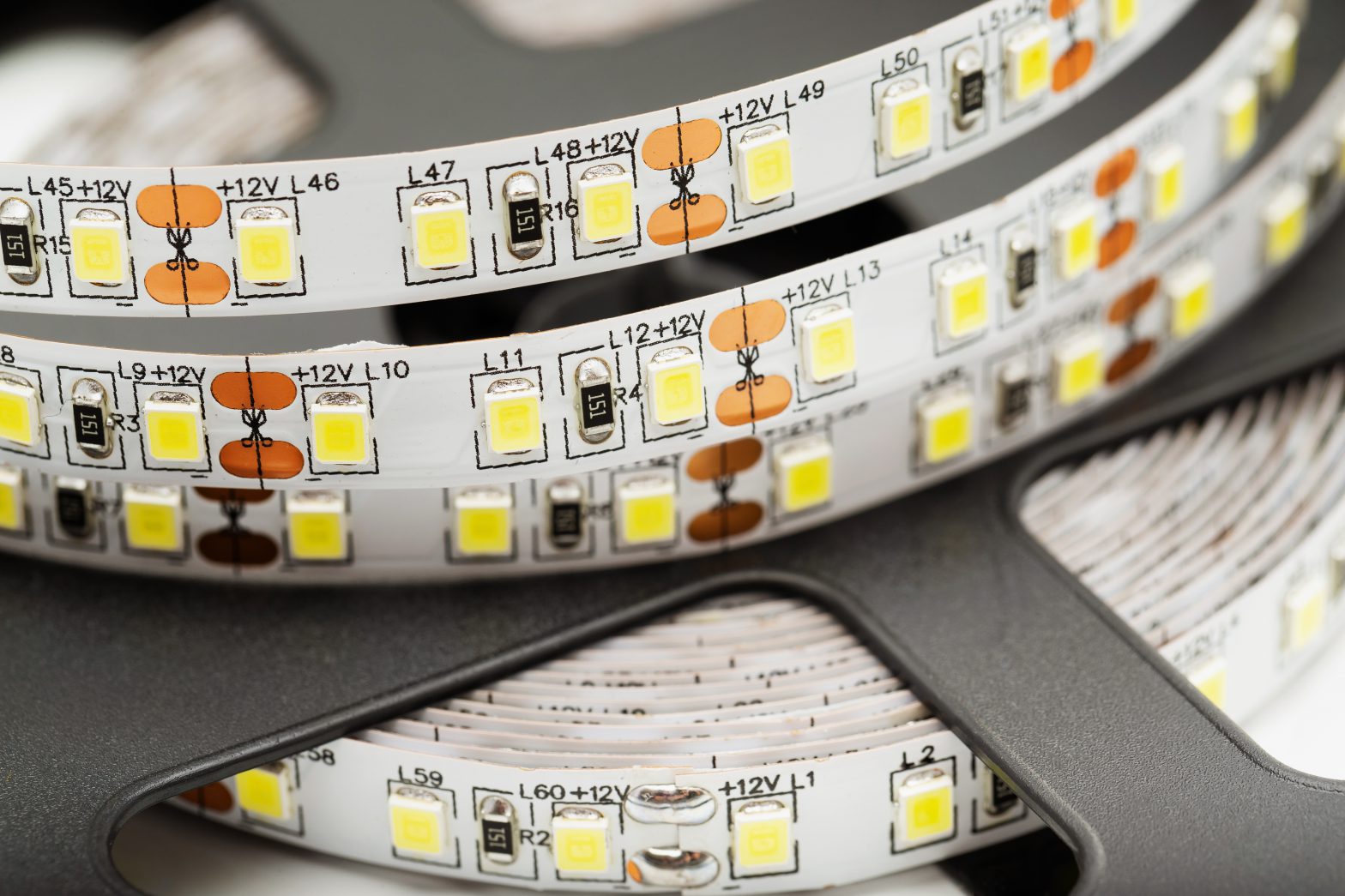

In today’s lighting market, LED solutions have become the backbone of modern electrical setups from signage to architectural highlights. Two categories dominate commercial demand: flexible LED strip lights and modular LED systems. Whether you’re sourcing for retail, signage, or installation work, understanding how to evaluate your suppliers and select the right products is critical to long-term performance and cost-effectiveness.
Understanding LED Strip Lights for Large-Scale Use
LED strip lights are flexible, cuttable lighting solutions that are especially popular in retail and architectural installations. Buying them in large volumes often means sourcing directly from manufacturers or regional distributors. The benefit here is clear: greater cost savings, larger inventory control, and the ability to meet ongoing or large-scale project requirements.
These strip lights typically come in a variety of forms SMD (Surface Mounted Device), COB (Chip on Board), and neon-flex types. They are usually offered in 12V, 24V, or 220V formats depending on their intended use. Key to bulk purchasing is understanding how these specifications affect compatibility and application.
Technical Specs That Define Quality
Not all LED strips are created equal. A quality strip is defined by several technical markers:
- Voltage: 12V and 24V strips are common in indoor applications, while 220V is suited for direct AC installation.
- Density: Higher LED density (e.g., 120 LEDs/m vs. 60 LEDs/m) means better brightness and smoother lighting.
- IP Rating: Want to use lights outdoors? Look for IP65 or higher for water and dust resistance.
- Color Temperature: Warm white (~3000K) offers cozy tones, while cool white (~6000K) works better for task lighting or display areas.
Some suppliers also provide variations with adjustable brightness or waterproof coatings, which come in handy for more demanding environments.
In commercial supply chains, many electrical wholesalers rely on wholesale LED strip lights due to their consistent performance, modular sizing, and affordability when scaled. These strips also integrate easily into aluminum profiles, making them versatile for both indoor and outdoor setups.
Modular Lighting Units: A Different Approach
While strips offer continuous lighting, LED modules are compact units often used in signage, channel letters, and backlit advertising. Their advantage lies in targeted illumination; they’re built for sharp light projection and longevity, often exceeding 50,000 hours in lifespan.
Modules come in various chip configurations: 2835, 5050, 5630, and COB. Many are waterproof (IP65 to IP68), shock-resistant, and UV-protected especially important in signage that faces weather exposure.
Modules typically feature lenses or optical elements that spread light over wider angles, such as 160° or more, ensuring clear and even brightness. When purchasing in bulk, buyers often assess not just the module’s appearance, but the consistency of its brightness and thermal management capabilities.
It’s common for sign-makers, display manufacturers, and installers to partner with a LED module manufacturer who offers both customization and technical support. Features like epoxy protection, constant-current ICs, and beam angle precision become critical when working on brand signage or outdoor advertising.
Benefits of Working With Reliable Wholesale Partners
Trusted wholesale partners offer more than competitive pricing they provide product guidance, after-sales support, and production consistency. For buyers handling long-term contracts or scaling up their lighting inventory, this support can make a real difference.
Advantages of sourcing from specialized vendors include:
- Access to datasheets and photometric testing
- Shorter lead times for sample orders
- Customization of wattage, brightness, or even wiring style
- Factory testing to minimize issues post-installation
Keep an eye out for safety certifications like CE, RoHS, and FCC, especially if your installations are meant for international projects or regulated environments.
Smart Tips for Bulk Buyers
Before finalizing an order, it’s worth running a few basic checks:
- Request physical samples testing the light output and color consistency
- Confirm minimum order quantities (MOQs)
- Inquire about packaging, delivery timelines, and warranty terms
- Ask for proof of certifications and third-party testing, especially for high-voltage products
These steps are crucial in reducing the risk of defective batches and ensuring the lighting products you receive meet your standards and those of your clients.
When to Use Strips vs. Modules
Application determines choice. LED strip lights are perfect for:
- Accent lighting in retail spaces
- Architectural details like coves or ceilings
- Interior under-cabinet or display lighting
LED modules, meanwhile, are suited for:
- Signage lettering
- Backlit panels and lightboxes
- Outdoor installations needing water resistance
Choosing the wrong type can affect both visual performance and energy efficiency, so understanding your project needs first is key.
Final Thoughts: Be Strategic With Your Sourcing
The LED market is packed with options, but smart decisions start with clear priorities. Take the time to compare specs, understand build quality, and evaluate manufacturers based on transparency and support.
Whether you’re sourcing for architectural design or signage applications, aligning the product with the use case and supplier capability will always lead to better results. Don’t just look at cost think long-term reliability and support.