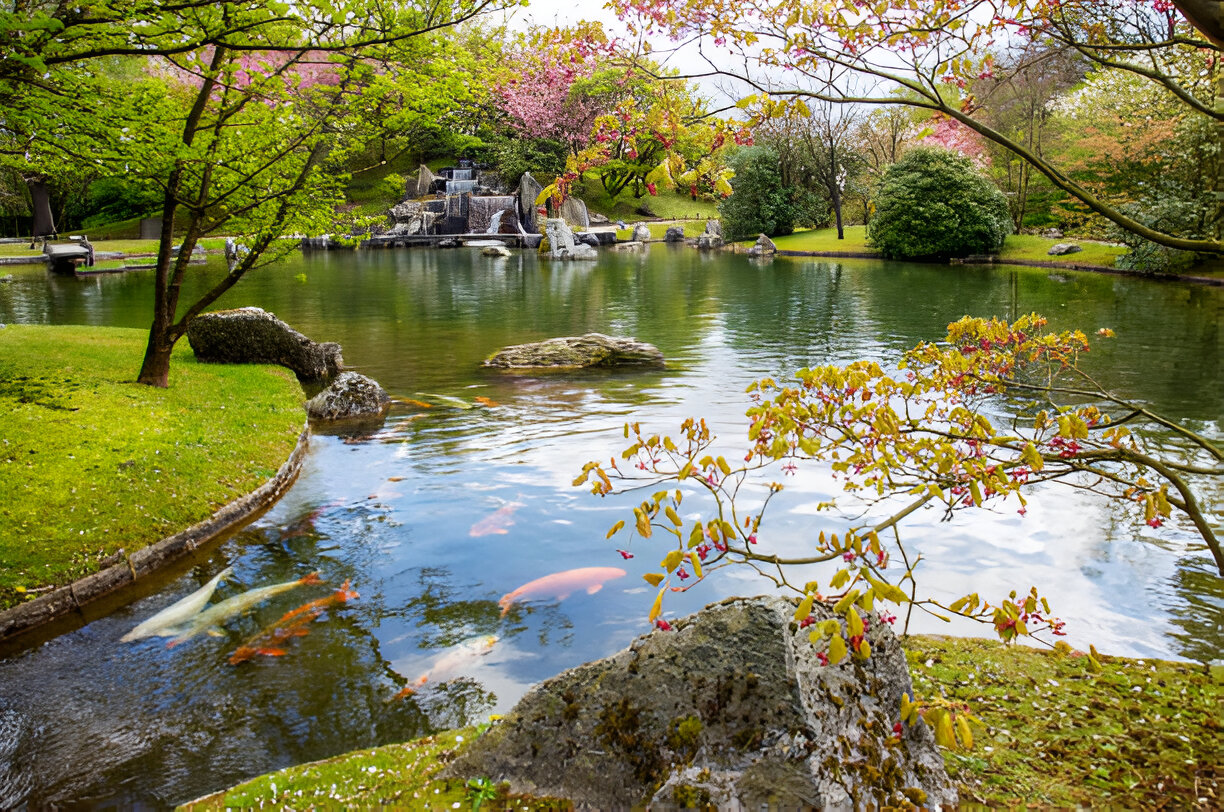

Nitrates are formed in ponds when fish waste, decomposing organic material and fish food that is not eaten are present in the water. Although ammonia and nitrites aren’t very harmful, nitrous oxide at high levels is dangerous for living things and the water. If water quality is important to you, remember to keep nitrate levels low in your pond. Is there a reason for this?
That Pond Guy is a company based in Kent which is experienced in making large koi ponds as well as small water features. The pond company not only install water features, but they also maintain and care for them to help owners enjoy clean and healthy water all year long.
Negative impacts of high levels of nitrate
If nitrate isn’t controlled, problems might persist in the aquatic ecosystem. Excessive algae in water encourages nitrates to be used as a nutrient which then supports harmful algae growth. Algae growth takes up oxygen from the water and kills good bacteria and fish. Why? The results can be a disturbance to the ecosystem, especially when the situation becomes intense.
Higher concentrations of nitrate can be damaging to fish. Pond fish can live with moderate amounts of nitrate, but if they are exposed to high levels for too long, their immune system gets weaker and their chances of getting diseases rise. Low nitrate levels keep the environment safer and more stable.
Methods to control the amount of nitrate in food
Good nitrate control requires a balanced system for filtering the water. The conversion of ammonia, nitrites, phosphorus and biphenylsulfur into safer compounds is made possible by good bacteria colony growth in a biological filter. These bacteria can effectively keep water because the filters are cleaned regularly.
It is also important to pay attention to how nitrate is managed by changing the water regularly. You can ensure clean water in ponds by just changing a portion of the existing water to keep nitrate levels low. Regularly changing some water in your pond prevents the tank from being overused. Why?
Plants in water help lower the amount of nitrate in the environment. Having water lilies, hornwort and duckweed in the tank will help clear away too many nitrates being produced by the fish. They clean the water in the pond while also making the area more attractive to see.
Feeding and Waste Management
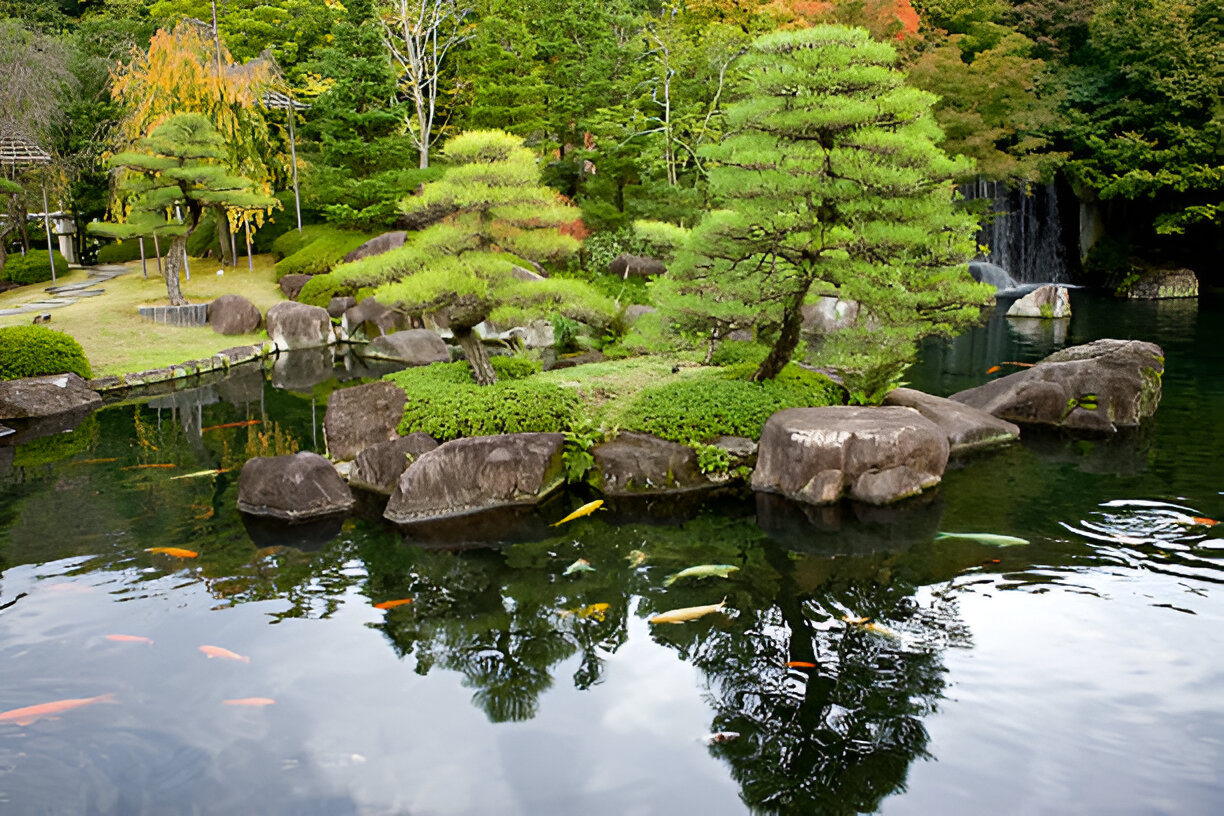
Many times, fish that eat too much end up with nitrate excess in their tanks. Why? The pond takes in any food that dogs drop in which raises the amount of nitrate available. It is important for pond operators to watch how much food they add so that the fish can take everything without destroying surplus food.
It’s very important to clear the pond of both sediment and organic material. Avoiding nitrates means removing leaves, any dying plant parts and fish waste from the tank on a routine basis. You can reduce hazards by using filters and pond vacuums together.
Consider a sustainable method for nitrate control
Frequently checking the water quality is necessary to maintain a working pond.
- Testing the water regularly with factual and handy nitrate test kits allows pond owners to regulate their nitrate levels and avoid possible dangers.
- Washing the filter regularly and paying attention to plants will help control nitrates in the water.
- If you find yourself needing help, you can hire professional pond experts.
If you use these ideas and get advice from experts when required, ponds will keep giving you peace and pleasure.