

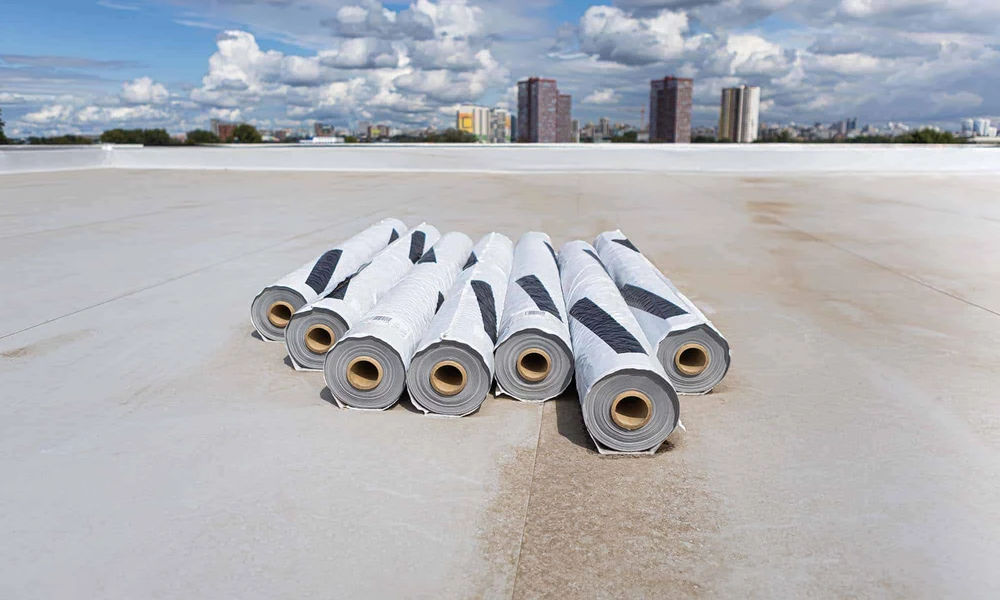
Flat roofs in the Twin Cities must handle snow, standing water, sunlight, and sharp temperature shifts. These conditions can expose weak seams, poor drainage, and worn surface materials. PVC roofing may help address such concerns through welded seams, a reflective surface, and resistance to common chemicals. This article examines the practical reasons more property owners now consider PVC for flat roof projects.
1. Weather Demands Shape Roof Choices in Twin Cities
Cold winters and warm summers place stress on flat roof surfaces. Twin Cities PVC flat roof installation creates a sealed membrane across broad, low-slope areas. Heat-welded seams resist water entry at weak points. This may help improve performance during rain, snowmelt, and freeze cycles.
Properties across the Twin Cities also need clear drainage paths and sound edge details. PVC can fit around drains, vents, curbs, and rooftop units with formed accessories. Those details help limit moisture gaps. A full roof review remains important before any material choice.
2. Welded Seams Support Water Control
PVC sheets connect through hot-air welds at the seams. The joined surface acts as one continuous layer. This helps with water control at laps and details. Strong seam work also reduces reliance on surface adhesives.
Quality has a direct effect on the result. Crews must prepare clean seams and set the correct heat level. Drainage, flashing, and deck condition also deserve review. Owners in Twin Cities can ask how each detail will be tested.
3. Reflective Surfaces May Reduce Heat Load
White PVC membranes reflect sunlight from the roof surface. This may help improve indoor comfort during warm periods. It may reduce heat stress on rooftop materials. The effect depends on insulation, property use, and mechanical systems.
Key Roof Details for Review
An assessment should cover the full system, not the membrane alone. Owners can compare faults with project goals. Clear records also support budget talks with managers or boards. These points deserve attention:
- Insulation condition and hidden moisture
- Drain locations, low spots, and water flow
- Roof access, foot traffic, and equipment zones
4. PVC Fits Several Property Uses
Different properties place distinct demands on roofs. PVC offers chemical resistance that may suit sites with grease, oils, or exhaust residue. Its light weight can aid projects where roof load is a concern. Beyond structural benefits, highly reflective white PVC single-ply membranes can reduce rooftop surface temperatures by up to 50°F compared to traditional dark roofs, cutting commercial building cooling energy costs by 10% to 30%. The final system must still match the deck and site use.
Twin Cities PVC flat roof installation may suit a small section or a broad commercial roof. Owners should compare membrane thickness, attachment method, insulation, and warranty terms. A site plan can limit disruption. Clear stages keep access and safety needs visible.
5. Maintenance Plans Become Easier to Define
A smooth membrane makes common defects easier to spot during a roof check. Teams can look for punctures, loose flashings, blocked drains, or weak seams. Prompt repairs may help control more serious damage. Records also show how the roof changes over time.
Properties in Twin Cities face snow, ice, debris, and rooftop service visits. Weather checks can help find damage early. Walk pads may protect routes near equipment that needs service. Simple records support repair choices across the Twin Cities and long-term cost plans.
PVC can be a practical option for flat roofs exposed to snow, water, heat, and rooftop traffic. Strong seams and effective drainage help the membrane perform as intended, while regular inspections can catch minor damage early. For property owners across the Twin Cities, a successful roof starts with the condition of the deck, the quality of the installation, and a clear maintenance plan.
