

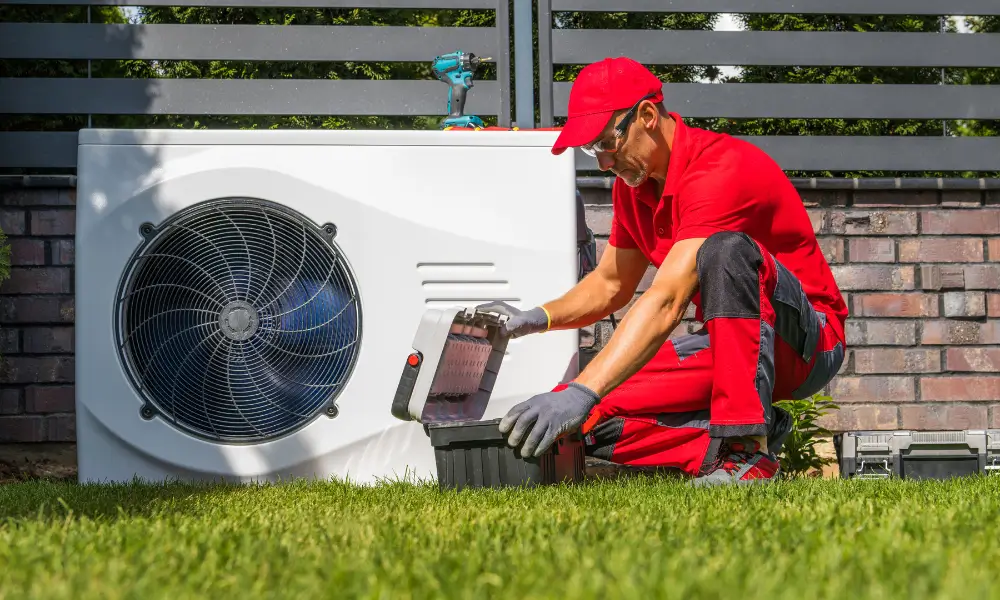
A heat pump upgrade can make a noticeable difference in home comfort and efficiency. Still, many homeowners wonder what actually happens during installation. Knowing what to expect helps ease concerns and ensures the process runs smoothly. Let’s explore the main steps that guide a professional setup in Hermon.
1. Initial Home Evaluation and Planning
Every successful installation begins with a detailed home assessment. This step helps the technician choose the right system capacity and placement. Many Hermon, Maine heating solutions providers use this stage to review insulation levels, ductwork, and electrical requirements. A thorough inspection ensures the new system operates efficiently from the start.
Once the assessment is complete, the technician prepares a layout plan for both indoor and outdoor units. The goal is to find the most effective spots for airflow and accessibility. This stage may also include checking for permits or confirming manufacturer specifications. Proper planning prevents future issues and helps achieve consistent temperature control.
2. Site Preparation Before Installation
Before installation begins, the workspace must be clear and safe. The outdoor area is leveled and stabilized for the unit’s base to prevent vibrations or tilting. Indoors, furniture or obstructions near vents are moved aside. This preparation stage helps technicians work efficiently and reduces setup time.
Safety Checks Before Setup
The team may disconnect old equipment and inspect wiring or existing ducts. They confirm that the electrical system can support the new heat pump’s load. Safety measures like circuit testing and grounding are verified before moving forward. These steps ensure compliance with local Hermon building standards and help protect the unit for long-term use.
3. Indoor and Outdoor Units Mounting
With the area ready, the technician mounts the indoor air handler, usually on an interior wall or ceiling. Placement is important to provide balanced airflow across rooms. The outdoor condenser is then secured to a concrete pad or mounted on a stable bracket. Both units are connected by insulated copper lines that carry refrigerant between them.
Proper sealing of connections prevents leaks and ensures steady temperature transfer. The refrigerant lines are carefully measured and pressure-tested. Once sealed, they are hidden behind protective covers or inside wall channels for a neat finish. This detailed approach may help improve energy efficiency and noise control.
4. Electrical Setup and System Integration
After mounting the main components, the technician focuses on wiring and system integration. Power cables are linked to the electrical panel, and communication lines connect the indoor and outdoor units. Every connection is checked twice to verify alignment with the manufacturer and safety codes. In Hermon, this step must comply with both national and regional electrical standards.
The thermostat or control system is then installed and synced with the heat pump. Some systems include smart controls that can adjust temperature based on usage patterns. The installer checks that all sensors respond accurately and that airflow is consistent. These tests aid in confirming the unit will deliver steady comfort during operation.
5. Calibration and Final Review
Once setup is complete, technicians perform a full system test. They check refrigerant pressure, electrical current, and thermostat response. Airflow is measured from each vent to ensure balanced distribution throughout the house. Adjustments are made on the spot to fine-tune performance.
Before wrapping up, the installer provides maintenance guidance and answers questions about regular operation. This may cover how to clean filters, identify early warning signs, and schedule seasonal inspections. The goal is to help homeowners keep the system running efficiently year-round.
A professional installation offers peace through preparation, precision, and testing. From planning to final checks, every step ensures the system supports lasting comfort. Reliable Hermon, Maine heating solutions may help improve efficiency, energy savings, and indoor air quality. With expert attention, residents in Hermon can expect a dependable setup designed for comfort through every season.
