

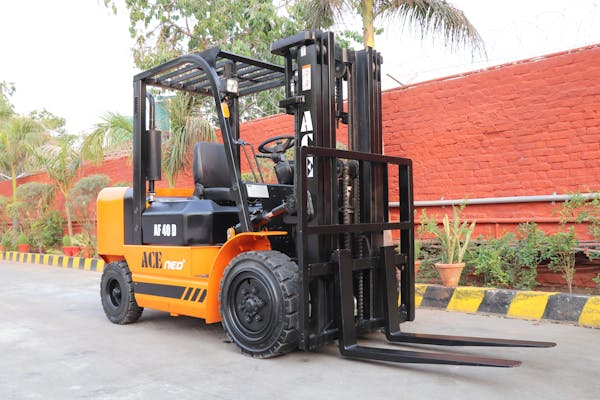
They’re the unsung heroes of warehouses and loading docks. Forklifts do the heavy lifting—literally—quietly keeping supply chains running. But when one tips over, crashes through a loading bay, or sends a pallet of garden gnomes flying, the aftermath can be more than just messy. It can be legally complicated.
Whether you’re operating one or managing the site it’s driving on, forklift safety isn’t just about avoiding OSHA fines—it’s about understanding who’s accountable when things go wrong.
Not Just a Ding in the Fork
Forklifts may look simple, but they’re deceptively tricky to operate. With uneven loads, narrow aisles, and blind spots aplenty, accidents can happen faster than a TikTok trend fades.
Take tip-overs, for example—they’re one of the most common (and deadly) forklift incidents. Others include collisions with pedestrians, falling loads, and getting pinned between the forklift and another object. In many cases, it’s not just “operator error.” The causes can range from poor maintenance to faulty design.
And when someone ends up injured, or worse, the legal question is: who dropped the (metal) ball?
Liability: Not Just an Operator Problem
Here’s where things get interesting. Legal responsibility in forklift accidents can fall on a variety of parties:
- The operator, if they were speeding, improperly trained, or simply not paying attention.
- The employer, if training was inadequate or if the environment was unsafe.
- The manufacturer, if the forklift malfunctioned due to design flaws or mechanical failure.
- Maintenance crews, if scheduled inspections were skipped or parts improperly repaired.
In short, the blame game can be a group activity. And untangling it requires more than just reviewing security footage or shrugging at tire marks.
That’s when legal teams often bring in a forklift expert witness—someone who can analyze the machine, the site conditions, and the operator’s actions to explain what really happened. Their job isn’t to point fingers—they clarify cause and responsibility with cold, mechanical facts.
Case Studies That Lift More Than Pallets
Real-life lawsuits have hinged on the fine details: Was the slope too steep for that load? Did the parking brake fail? Were visibility aids missing?
In one case, a warehouse accident involving a forklift backing into an employee led to questions about the adequacy of warning systems and mirrors. In another, a forklift tip-over raised eyebrows over whether the load center exceeded recommended limits. These aren’t CSI episodes, but they do involve scene analysis, engineering reviews, and legal strategy with real consequences.
Forklift Safety Isn’t Optional
If you manage a site with forklifts in motion, liability isn’t a matter of if, it’s a matter of when someone will ask about it. Ensuring up-to-date training, following manufacturer load limits, and sticking to a strict maintenance schedule aren’t just good practice—they’re your legal armor.
And if you’re ever called into question, the difference between a reasonable defense and an expensive settlement might come down to who can best explain what went wrong—and why.
Wrapping Up Before the Forks Hit the Floor
Forklift accidents can be catastrophic. But the fallout doesn’t stop at the scene—it follows a liability trail that winds through training programs, maintenance logs, and design specs.
Understanding where those trails lead (and having the right expertise to walk them) is essential for anyone in the world of heavy lifting. Because when things fall, someone has to answer for the drop.
